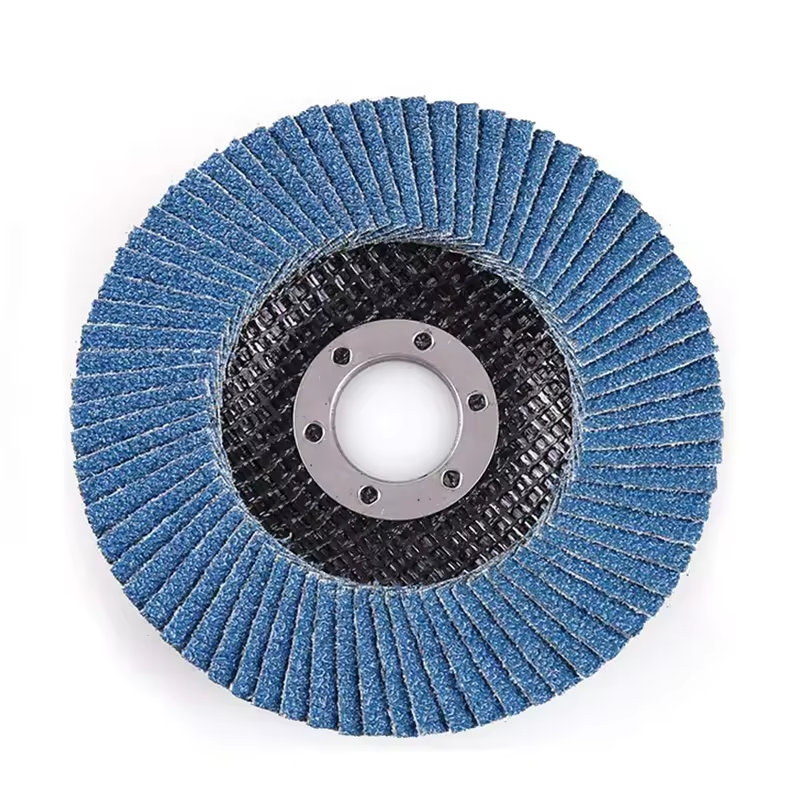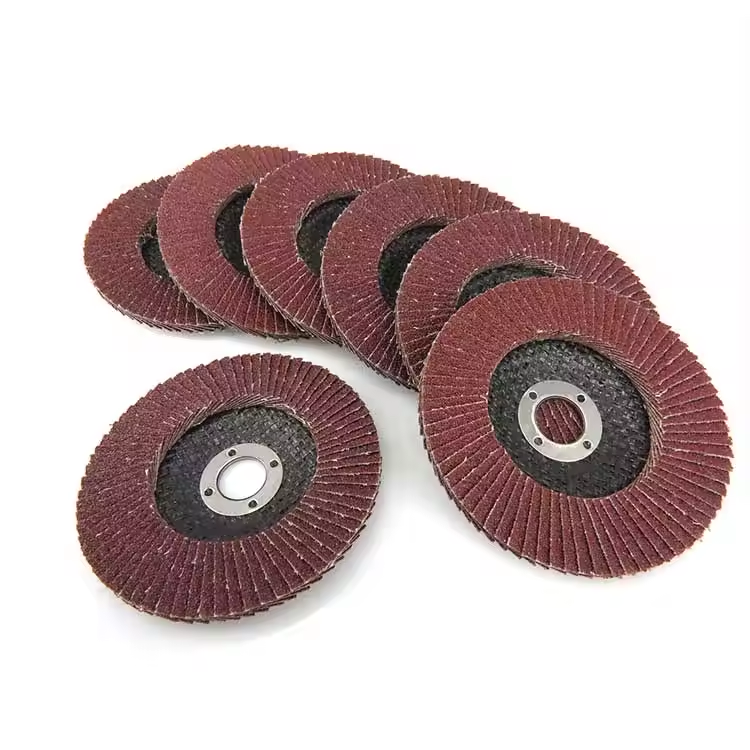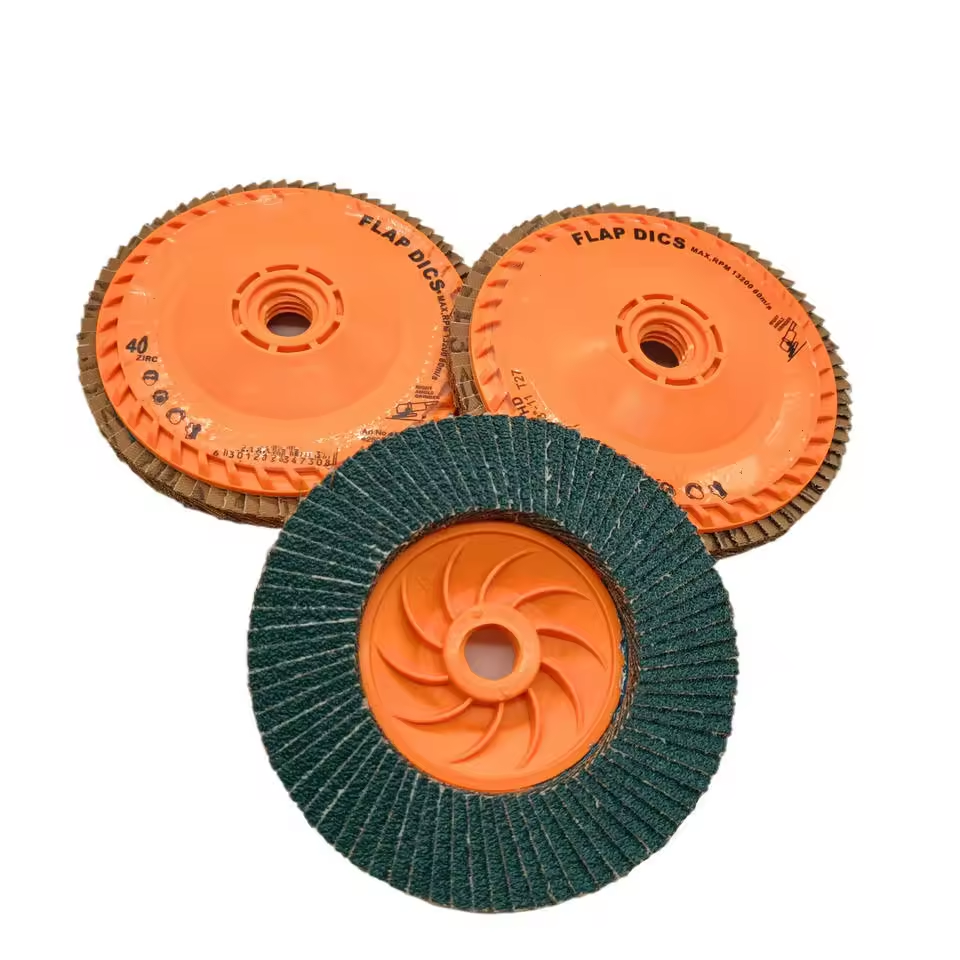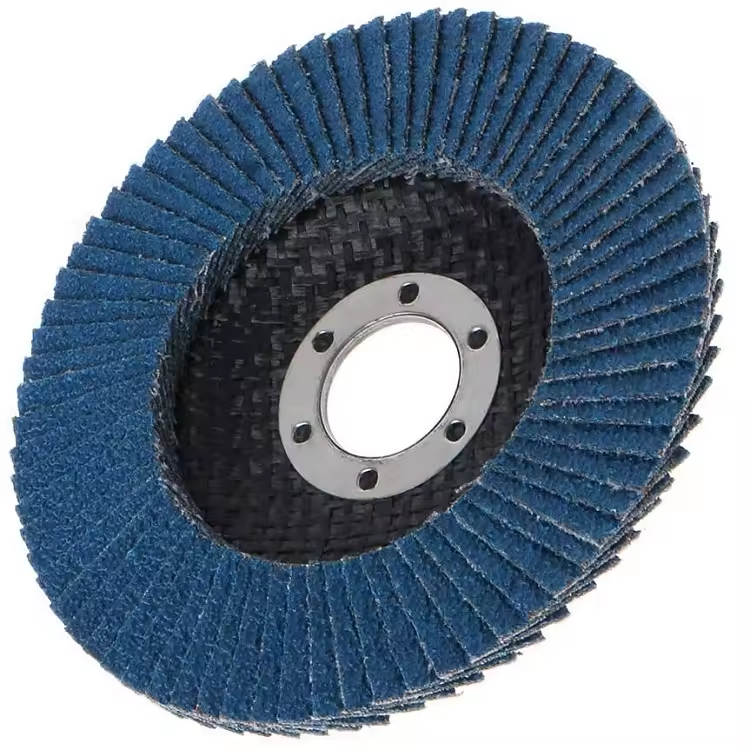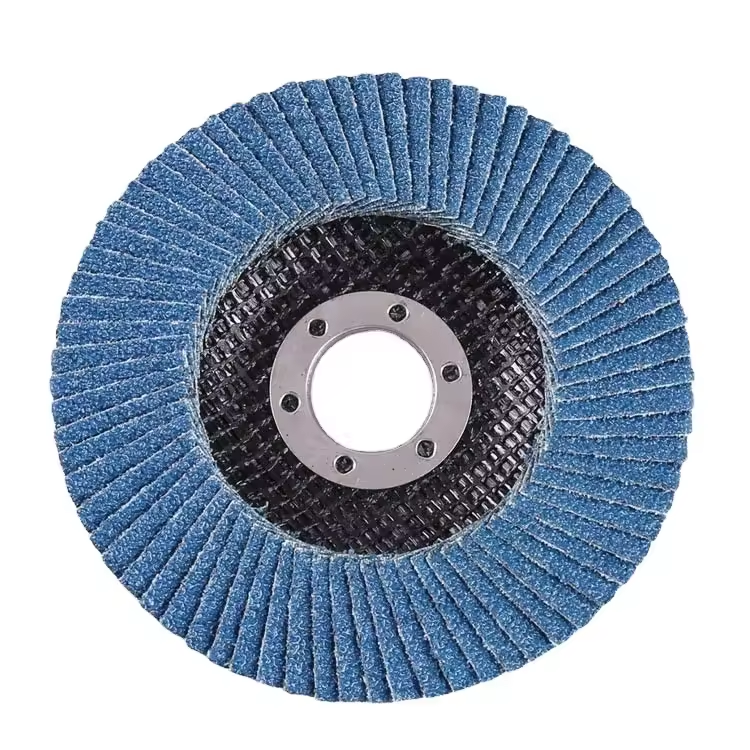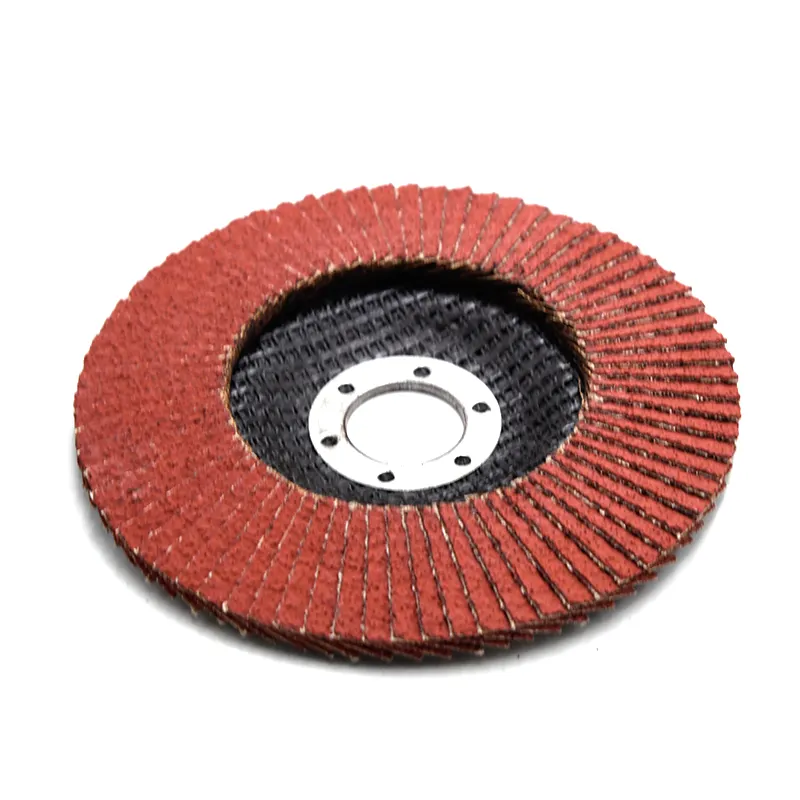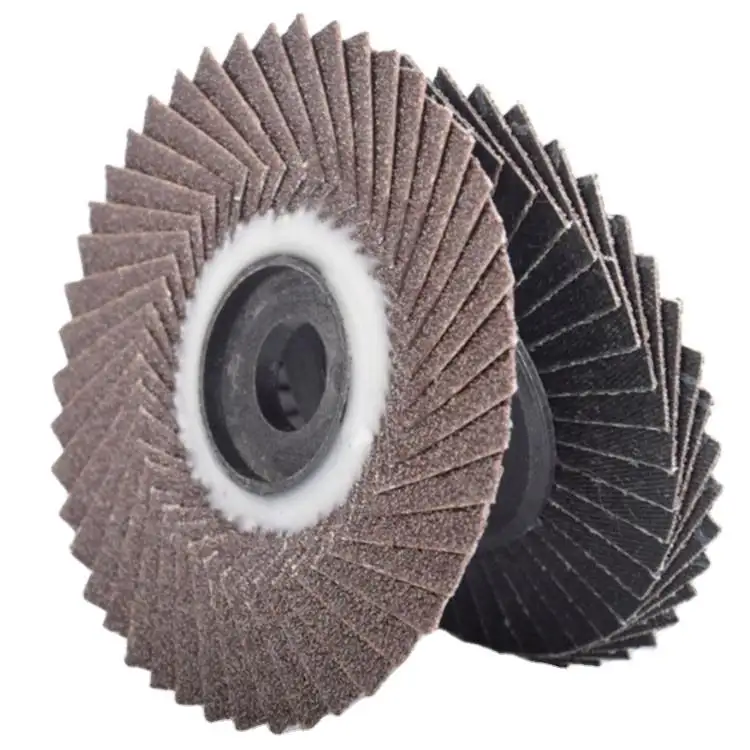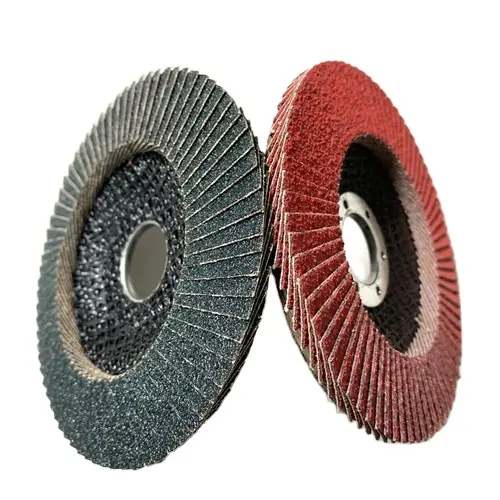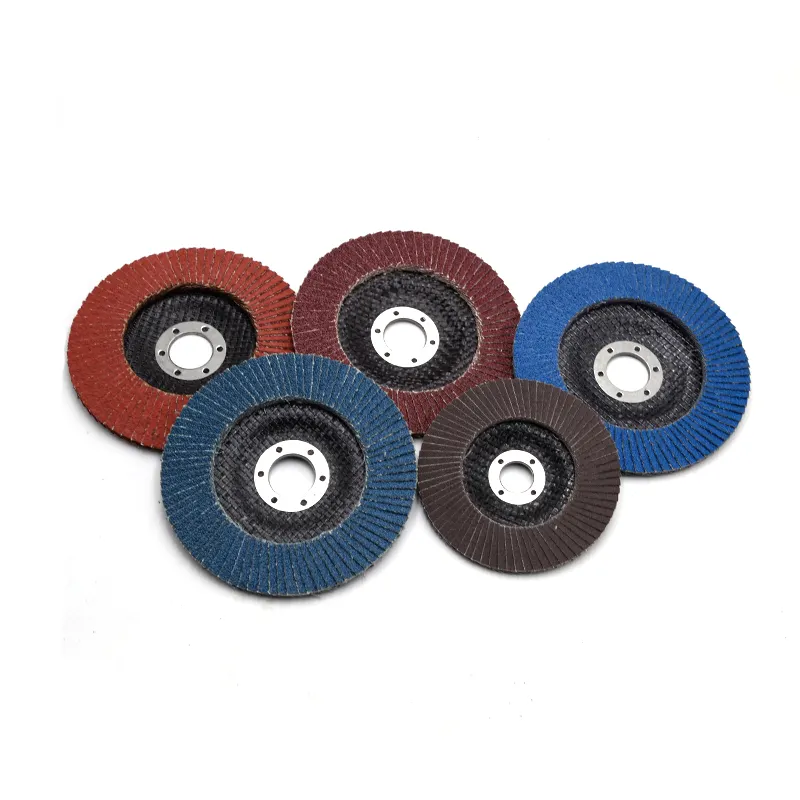
The Flap disc grit is the key for good job. Whether you are working on the big project and need to take off the stock really fast or simply need to apply a finish to a small project, you can find the right flap disc for angle grinder you need that will really help you achieve the results that you are looking for. Learn about flap disc grits and how to choose the best flap disc for your job.
Flap discs are abrasive tools that consist of three components: a backing plate, adhesive, and coated abrasive flaps. They are actually a collection of bits of sand paper attached to a circular disk. The chips are known as “flaps,” hence the name of the tool.
One significant factor to consider when selecting a flap disc is grit. The grit tells us how fine or coarse the material on the disc is. Higher grit numbers represent a finer material. The lower the number, the rougher the material.
The grit is crucial because it determines how smooth or rough the surface will be. If you want to take a lot of material off quickly, go with a grinder with a lower grit number flap disc. If you don’t want a textured finish, you will also require a high grit numbered flap disc.
The grit also determines how long it will last and how much material it can grind off. More coarse grits do that by knocking material off quickly, but not leaving a smooth finish. The finer the grit the smoother the finish, though it may take longer to remove material.
Consider the material you're working on and the finish you want when choosing a flap disc for drill. A lower grit disc (like 40 or 60 grit) will be ideal for heavy — and potentially dangerous — material removal, such as grinding down metal or welding seams. For finishing or polishing, use a finer grit disc (such as 120 or 180 grit).

Fiber Disc, a grinding tool manufacturing expert in China! Our main products include: Sand Paper, Sanding Disc, Sanding Pad, Flap Disc, Sanding Belt.
100 Zhongshan West Road, Runzhou District, Zhenjiang City, Jiangsu Province, China
Copyright © Zhenjiang Pangea Imp & Exp Trade Co.,ltd. All Rights Reserved | Privacy Policy | Blog
 EN
EN
 AR
AR
 NL
NL
 FR
FR
 DE
DE
 KO
KO
 PL
PL
 PT
PT
 RU
RU
 ES
ES
 AF
AF
 LA
LA